
  |
|
August 3, 2023 |
 With the traditional ringing of the bell we bring this meeting to order!
Club member's attendance is recorded by logging in.
Visiting Rotarians may complete a makeup form at the end of this meeting; YOUR donation for making up with us helps fund our service projects!
Visitors are always welcome to browse and register without obligation.
Our club offers the flexibility of ROTARY ON YOUR TIME!
and an opportunity to remain connected with Rotary!

Welcome to this week’s meeting of the eClub of the State of Jefferson.
I am Bob Gibson, President of the Rotary eClub of State of Jefferson. Welcome to this week’s meeting.
I hope this finds you well.
Rotary provides an extraordinary opportunity for service. Tuesday morning several of us met via Zoom with a delegation of Rotarians from the Rotary Club of Kharkiv in Ukraine. Their city is under frequent missile attack. Their challenges are staggering. One of their problems is protecting the children of the community from being injured or killed by land mines. They need assistance with signs to warn people of the areas where land mines have been placed. Providing support for their sign project can be scaled to whatever we can manage. We have decided to host a District wide Zoom meeting on September 13. This will be an opportunity to hear firsthand about the challenges they face. Yulia Pavichenko, their Club President, will provide a description of their situation. There will be an opportunity to provide support at that meeting. When this project was first proposed I wasn’t sure it was significant enough. Providing signs seemed so trivial in the face of their problems. I was so wrong. If one of the signs we provide saves a child from being killed or having their leg amputated, it will be worth everything we put into this. I would much rather buy a sign for $3.00 than figure out how to fund a prosthetic limb. There will be more information, as it develops.
Creating opportunities for fellowship remains one of my priorities. I am scheduling another “Coffee Chat” membership meeting for Saturday morning, August 19 at 10:00am PDT. I would like to use that time to discuss our Club Foundation and how it can be a tool for our Club to participate in a variety of service projects and respond to request for support. I am developing an agenda for the meeting. If you have something related to our foundation that you would like to discuss, please let me know.
Also on Tuesday, we had the first half-hour fellowship meeting at 9:00am. It provided an opportunity to visit and get to know each other a little better. Paul Harris, the founder of Rotary, started his meetings out of a need for fellowship. Fellowship is a fundamental value of Rotary. I intend to continue these informal chats each week. I believe you will find that this is a valuable opportunity. I understand schedules are busy and time is precious. I will be sending out the link and we’ll see what happens. I look forward to getting to know each of you better.
Thank you for your interest in our Club and your commitment to “Service above Self.”
Enjoy the meeting.
If you have any questions or comments, I am available. My e-mail address is: bob@bluewaterphoto.net.
email president@StateOfJeffersonRotary.org

Weekly eClub Zoom meeting
Beginning August 1st, Tuesday mornings at 9:00 am PDT
“Coffee Chat” membership meeting - Saturday morning, August 19 at 10:00am PDT
 We have decided to host a District wide Zoom meeting on September 13th with a delegation of Rotarians from the Rotary Club of Kharkiv in Ukraine. One of their problems is protecting the children of the community from being injured or killed by land mines. They need assistance with signs to warn people of the areas where land mines have been placed.
This will be an opportunity to hear firsthand about the challenges they face. Yulia Pavichenko, their Club President, will provide a description of their situation. Their city is under frequent missile attack. Their challenges are staggering. There will be an opportunity to provide support at that meeting.
(Photo left) Some of the land mines found in the Kharkiv area.
August is Membership and New Club Development Month

That makes August — Membership and New Club Development Month — the perfect time to evaluate your club’s culture and adjust it if needed. Members are more likely to stay if their club experience is fulfilling. Use these ideas to help members feel involved, valued, and cared for:
- Communicate with people at every stage of their membership. If members think their experience in the club can be improved, take action to make changes. You can also use these two surveys to learn more about what members are thinking:
- The member interest survey will help you understand what new and prospective members care about and how they want to contribute.
- The member satisfaction survey (or an online version) can be distributed each year to all members.
By asking for feedback regularly and responding to it, you show that you’re open to change, and you empower members to be involved in creating their ideal club experience.
- Use the Club Health Check to identify areas where your club could improve and determine how to keep your club relevant for members and the community.
- Take the Creating an Inclusive Club Culture course to discover ways for your club to become more inclusive, diverse, and equitable.
Remember that for any Learning Center course, you’ll need a My Rotary account.
You can also find more membership resources on My Rotary.

From Australia to the Netherlands, Rotary youth programs have shaped me

By Taylor Randall
My journey with Rotary actually began before I was born.
I’m the fourth generation of my family to be connected with the Rotary Club of Nerang, Queensland, Australia. My great-grandfather was charter president, my grandfather was a charter member and past president, and my mum – the first woman invited to join the club in 2000 – became the club’s first female president in 2007.
Then there’s me. When I was one year old, I made a splash in the World Swim for Malaria community swim. I’ve been a proud participant in Interact, Rotary Youth Exchange, Rotex (Rotary Youth Exchange alumni) and the National Youth Science Forum, of which Rotary is a founding partner. Ultimately, Rotary youth programs have had a significant role in shaping who I am today.
My school-based Interact club held Paint Your Pinky Purple activities to raise awareness of Rotary’s work to eradicate polio. Barbecues and raffles were a common occurrence. But I wanted to leave a bigger mark on the world; I wanted to further my international understanding.
Do It In A Dress
After talking to friends here in Australia and across the globe, I learned how the access to and quality of education varies greatly around the world. As a young female in Australia, I was lucky to attend school. I wanted to make sure my peers knew how lucky they were, too. My Interact club started the program “Do It In A Dress” to support One Girl, an international charity raising funds for and promoting awareness of equality in female education.
In under a week, our club raised more than 2,000 Australian dollars (US$1,330) by encouraging students to do physical activities like arm wrestling, basketball, wet sponge throwing (corn hole), and sumo wrestling – all while wearing dresses or tutus. To celebrate reaching our goal, we held a fashion parade where our teachers modeled their most fashionable gowns. Even our male school principal got involved – dress, wig, make-up and all! It was a sight to see!
Having this under my belt inspired me to see where else Rotary could take me. A year later, I found myself in Groesbeek, a small village in the Netherlands, on a Rotary Youth Exchange. This experience produced the most impactful and life-changing moments in my life. I had already had the privilege of meeting Rotarians from all around the world at the 2014 Rotary International Convention in Sydney, and again in Toronto in 2018. I had collected pins and stickers from people in the House of Friendship as well as Rotarians I met on buses, trains, and trams. Gaining the courage to talk to strangers built my confidence and encouraged me to push the boundaries of my comfort zone.
I left Australia for my exchange year in January 2020. After two exhilarating months of living my best exchange life, challenging my comfort zone, discovering a new culture, and learning a new language, the Netherlands went into lockdown from COVID-19. School, Rotary, Church, Scouts, and everything else was online… and in Dutch!
Rotary Youth Network
To keep meeting new people with a love of serving others, I joined Rotary Interactive Quarantine (now known as Rotary Youth Network). I met with 800 Interactors, Rotary Youth Exchange students, and RYLA attendees from approximately 30 different countries. I didn’t just get to know Dutch culture, I got to know cultures from around the world – all from my bedroom.
Due to the pandemic, I returned to Australia only five months into my exchange year. But I was grateful that I got to experience a smidgen of the Rotary Youth Exchange life in person.
Since returning from exchange, I’ve wanted to give back to Rotary for everything it’s given me. I’m a charter member and current president of the Southern Star Rotex Club in District 9640 and a member of that district’s Rotary Youth Exchange committee. I also have the honor of serving on the inaugural Rotary International Youth Advisory Council representing all Rotary Youth Program participants and alumni around the world. I support youth voices in all aspects of what I do and encourage other alumni to reconnect with the Rotary world.
I’m here today because of the Rotarians who believed in me and the power of Rotary youth programs. To them I say: Thank You!
Celebrate Rotary’s Youth Service Month in May. Learn more about our youth programs.


The Rotary Foundation transforms your gifts into projects that change lives both close to home and around the world. As the charitable arm of Rotary, we tap into a global network of Rotarians who invest their time, money, and expertise into our priorities, such as eradicating polio and promoting peace. Foundation grants empower Rotarians to approach challenges such as poverty, illiteracy, and malnutrition with sustainable solutions that leave a lasting impact.
Strong financial oversight, a stellar charity rating, and a unique funding model mean that we make the very most of your contribution. Give and become a part of Rotary’s life-changing work!
Giving
When you give to The Rotary Foundation, you support Rotary's work across the world and help ensure our future. You can choose where to direct your donation and how you wish to give. Recognition is offered at many giving levels.
Learn more about giving opportunities
History of The Rotary Foundation
In 1917, Rotary International President Arch C. Klumph proposed an endowment "for the purpose of doing good in the world." His vision became The Rotary Foundation.

The dates for the August installation at Chinle are August 24-27, with a guided canyon tour available on the 24th for @ $88/person.
Bill “Frowny” Frownfelter is the person coordinating volunteers. I have already spoken with him about the eClub’s interest in participating.
Please contact him for specifics and let him know how many might be joining in.
Frowny’s contact information:
Frowny Frownfelter
allllllsmiles@yahoo.com
970-708-1058 

Lynchings in America Emmett Till and 4 Black Americans Whose Killings Provoked Outrage and Activism
By Thad Morgan
* Warning: The following content contains disturbing and violent images that may be triggering.
Six thousand, five hundred.
That’s the approximate number of Black people lynched in the U.S. between 1865 and 1950—at least, those that are known—according to the Equal Justice Initiative.
Lynching (definition): a murder outside of the judicial process—including but not limited to hangings, typically done by a mob.
(Editor’s note: Six thousand, five hundred. I personally struggled trying to put this number into perspective. Six thousand, five hundred is more than twice the number of men, women, and children in the community in which I live.
Six thousand, five hundred. If one person was lynched EACH AND EVERY DAY, Monday – lynch a person, Tuesday - lynch a person, Wednesday -lynch a person, Thursday - lynch a person, Friday - lynch a person, Saturday - lynch a person, Sunday - lynch a person, then it would take 17 YEARS and 10 MONTHS to hang that many people. And those are just the ones we know about.)
People of African descent have endured racial oppression and brutality on American soil from the moment the first slave ship arrived with human cargo in 1619. But even though slavery was legally abolished in 1865, the horrors of the shackle and the whip were followed by new kinds of terrorism and violence toward Black people that have persisted throughout the nation’s history. Sometimes, it's been committed by hate groups like the Ku Klux Klan. Sometimes, it's been the act of a single individual. And sometimes, it's even been treated as an open public spectacle. In all cases, racially motivated violence has remained a powerful tool to reinforce white supremacy, dehumanize Black people and intimidate them from seeking progress, equality—or even stability.
The details of most lynchings and other acts of racial violence remain lost to history. But the bloodshed described below captured broader attention, inspiring outrage, activism—and in some cases, a measure of progress.
Emmett Till
August 28, 1955 / Money, Mississippi
When 14 year-old Emmett Till was murdered in 1955, his shockingly brutal death became a catalyst for the civil rights movement. Born and raised in Chicago, Till was no different from an average teen: According to his cousin Wheeler Parker, he was a prankster, had a soft spot for animals and loved being the center of attention. He also loved his family, taking up many household duties to support his mother Mamie Till-Mobley. “Emmett had all the house responsibility,” she later recalled. “He cleaned…cooked quite a bit…even took over the laundry.”
In August 1955, Emmett joined his uncle Moses Wright and 16-year-old cousin Wheeler on a trip to visit family, in Money, Mississippi—his first experience of the rural South. He and Wheeler helped family pick their cotton crops, then cooled off with a swim. Their first few days in Money were filled with family, laughter and fun.
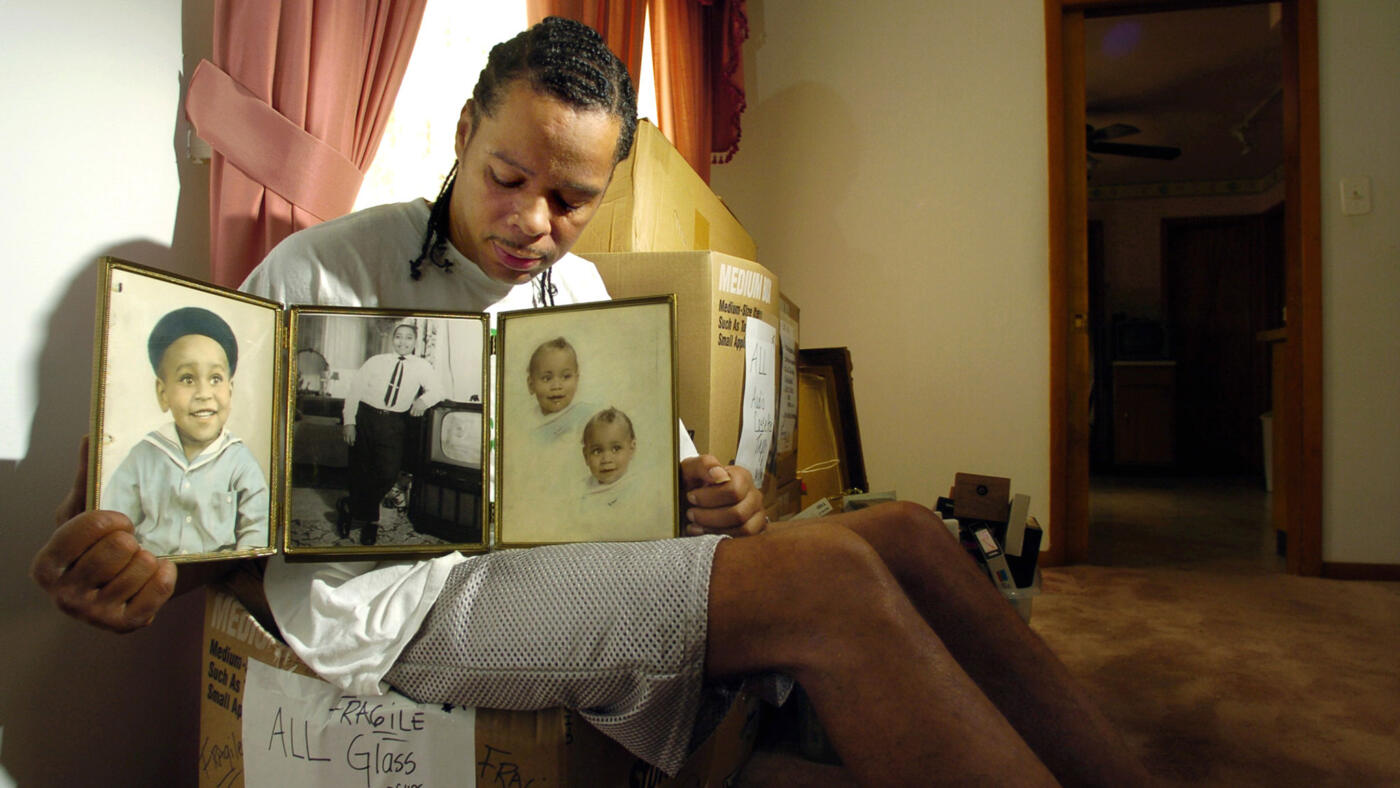
Then, on August 24, Till, Parker and a few other teens went to Bryant’s Grocery and Meat Market for some refreshment. Accounts of the incident differ, but Parker—a direct eyewitness—says Emmett whistled at Carolyn Bryant, the store owner’s wife.
‘Even now, we don’t know what possessed him. He…didn’t have any idea [of] the danger.’ // Emmett Till’s cousin Wheeler Parker, oral history interview with the Library of Congress
Late on the night of August 28, Carolyn’s husband Roy Bryant and his half-brother J.W. Milam arrived at Wright’s home, declaring they “were looking for the boy that did the talking” and dragging Till off in their car. Three days later, the teen’s mutilated body was found in the Tallahatchie River—savagely beaten, shot in the head, his neck tied to a massive fan with barbed wire. The bright-eyed, upbeat boy was unrecognizable.
Gutted by grief, Till’s mother nonetheless stood strong, determined to show the world the atrocity committed against her child. “That body was half-buried literally in Mississippi, and if it would've been all the way buried, we wouldn't know who Emmett Till was,” says Dave Tell, author of Remembering Emmett Till. “She got on the phone, she convinced them to send the body back North.”
She didn’t stop there. Mamie decided on an open casket at Emmett’s public funeral, exposing her son’s disfigured face to the nearly 50,000 mourners—and permitting wide distribution of photographs, including a national Jet magazine spread. Circulated just as the civil rights movement was beginning to mobilize, the graphic images literally put a face to the growing outcry against racial violence in America. Bryant and Milam’s quick acquittal by an all-white jury only fueled the national outrage. Bryant’s wife, Carolyn, recanted her accusation decades later.
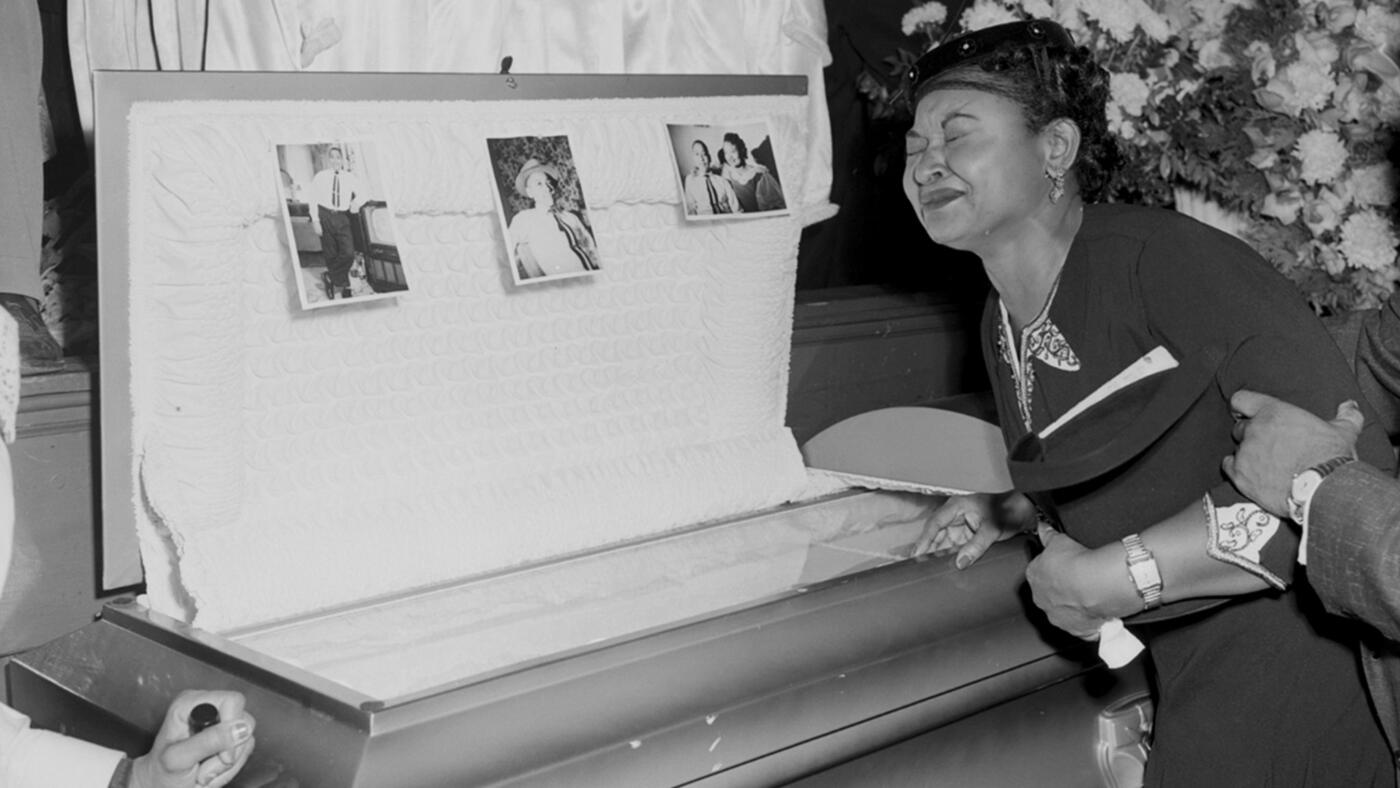
Emmett’s story might have passed virtually unnoticed had Mamie not continued to push it out into the world, even embarking on a speaking tour for the National Association for the Advancement of Colored People (NAACP). Her son’s death not only inspired local activists to fight for justice, but sparked embers of resistance in the broader civil rights struggle. One hundred days after Till’s death, Rosa Parks refused to give up her seat on a bus, resulting in the Montgomery Bus Boycott—and a later Supreme Court desegregation decision.
“Rosa said she thought about going to the back of the bus,” civil rights leader Rev. Jesse Jackson told Vanity Fair in 1988. “But then she thought about Emmett Till and she couldn’t do it.”
Thomas Moss, Will Stewart and Calvin McDowell
March 9, 1892 / Memphis, Tennessee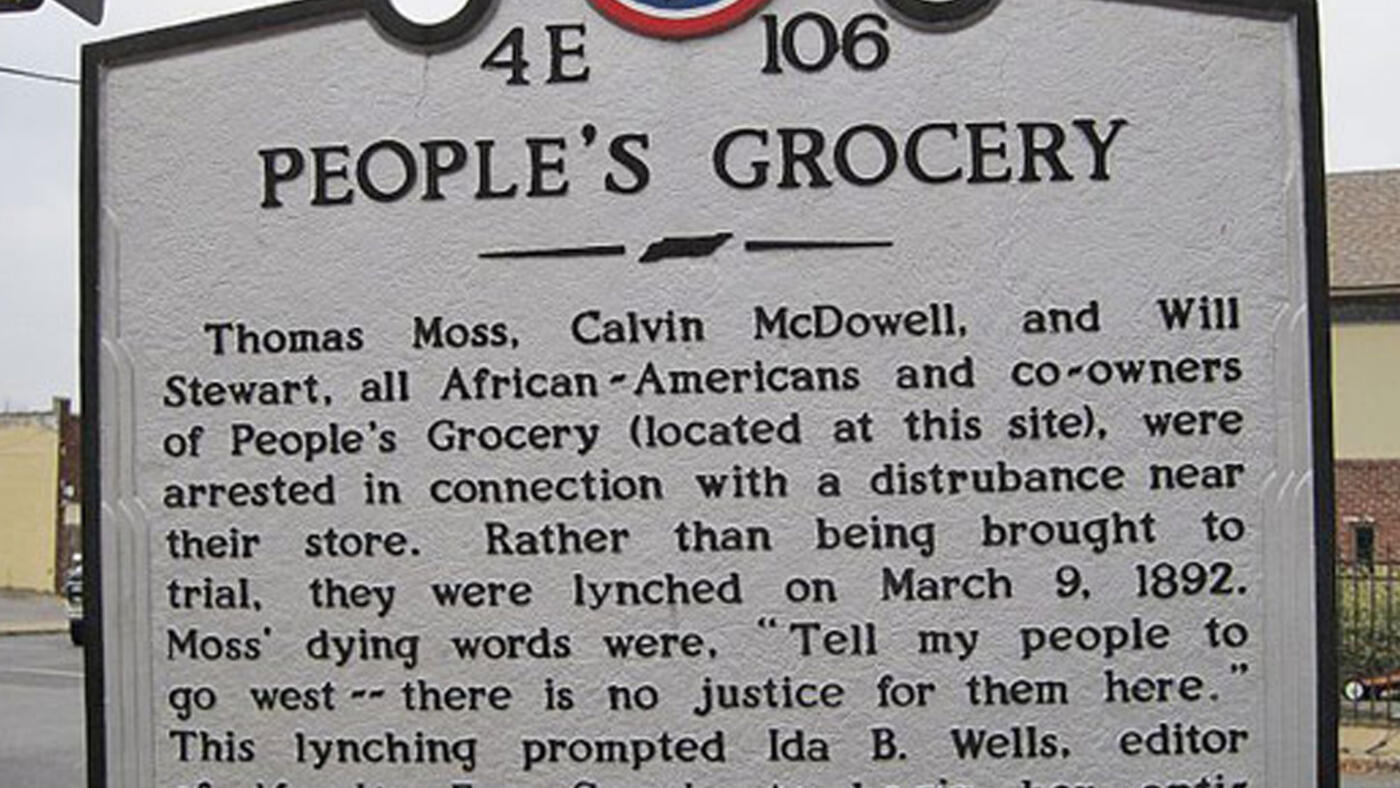
In the decades after the Emancipation Proclamation, African Americans worked to build their lives and livelihoods from less than nothing. Despite steep challenges, Black businesses began to blossom in the late 19th century. In the “Curve” neighborhood of Memphis, co-owners of the thriving People’s Grocery, Will Stewart, Calvin McDowell and Thomas Moss, brought pride—and much-needed capital—to their mixed-race neighborhood.
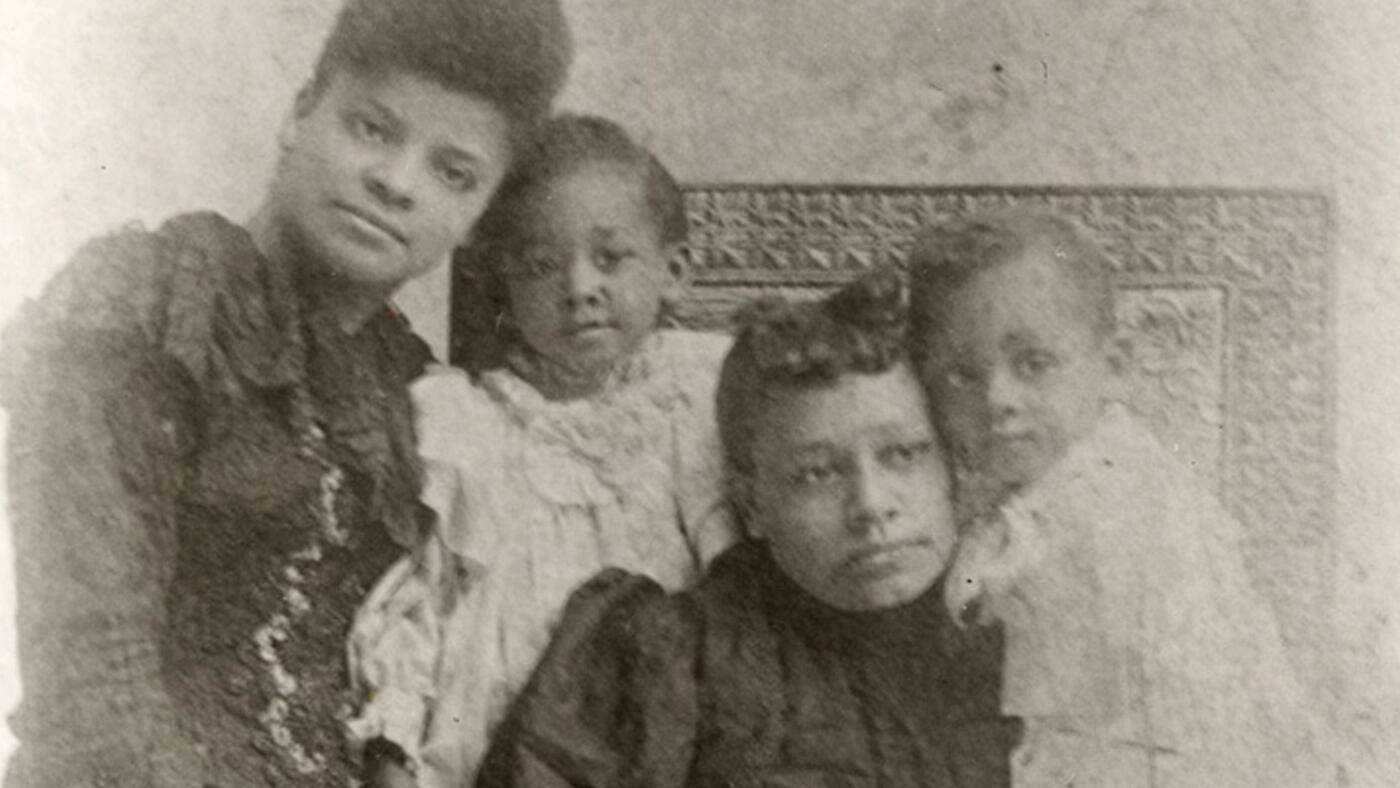
Moss, in particular, earned praise for his community involvement, as a mail carrier as well as a successful business owner. “A finer, cleaner man than he never walked the streets of Memphis,” wrote his close friend, fellow Memphis resident and emerging journalist Ida B. Wells, in her autobiography Crusade for Justice. “He was well liked, a favorite with everybody; yet he was murdered with no more consideration than if he had been a dog.”
The growth of the People’s Grocery had come at the expense of local white competitor William Barrett, who began fanning racial tensions. Following several neighborhood incidents, he alleged to a local judge that Black locals, including his business rivals, were conspiring against the Curve’s white residents. That night, the county sheriff and a group of deputized citizens surrounded the Black grocery in an armed standoff. After white men were injured in the exchange, Stewart, McDowell and Moss were all arrested, along with dozens of alleged Black co-conspirators. Early in the morning of March 9, a local mob took justice into their own hands, storming the jail, dragging the men from their cells and, as the Memphis Appeal-Avalanche reported, brutally murdering them with “more shots than were necessary to cause death.”
‘Tell my people to go West. There is no justice for them here.’ // Thomas Moss’s reported last words
This became a watershed moment for Wells. Deeply affected by the gruesome murder of her friend, she shifted her journalistic focus to the growing epidemic of racially inspired killings. In an editorial published two months later—the first in what would become her famed anti-lynching series—Wells specifically called out the murder of the three grocers, while debunking the trope of Black men raping white women, a common pretext used to justify lynchings.
Instead, she asserted, these atrocities were far more often about squashing Black economic progress: “an excuse to get rid of Negroes who were acquiring wealth and property and thus keep the race terrorized and ‘keep the n----r’ down.’” Her editorial prompted a violent attack on Wells’ newspaper office—and threats on her life. Heeding her friend’s warning, she encouraged Black Memphis residents to leave the city, which she said didn’t value their lives. More than 6,000 fled, and she herself became an exile, moved to a lifetime of activism.
Thomas Shipp and Abram Smith
August 7, 1930 / Marion, Indiana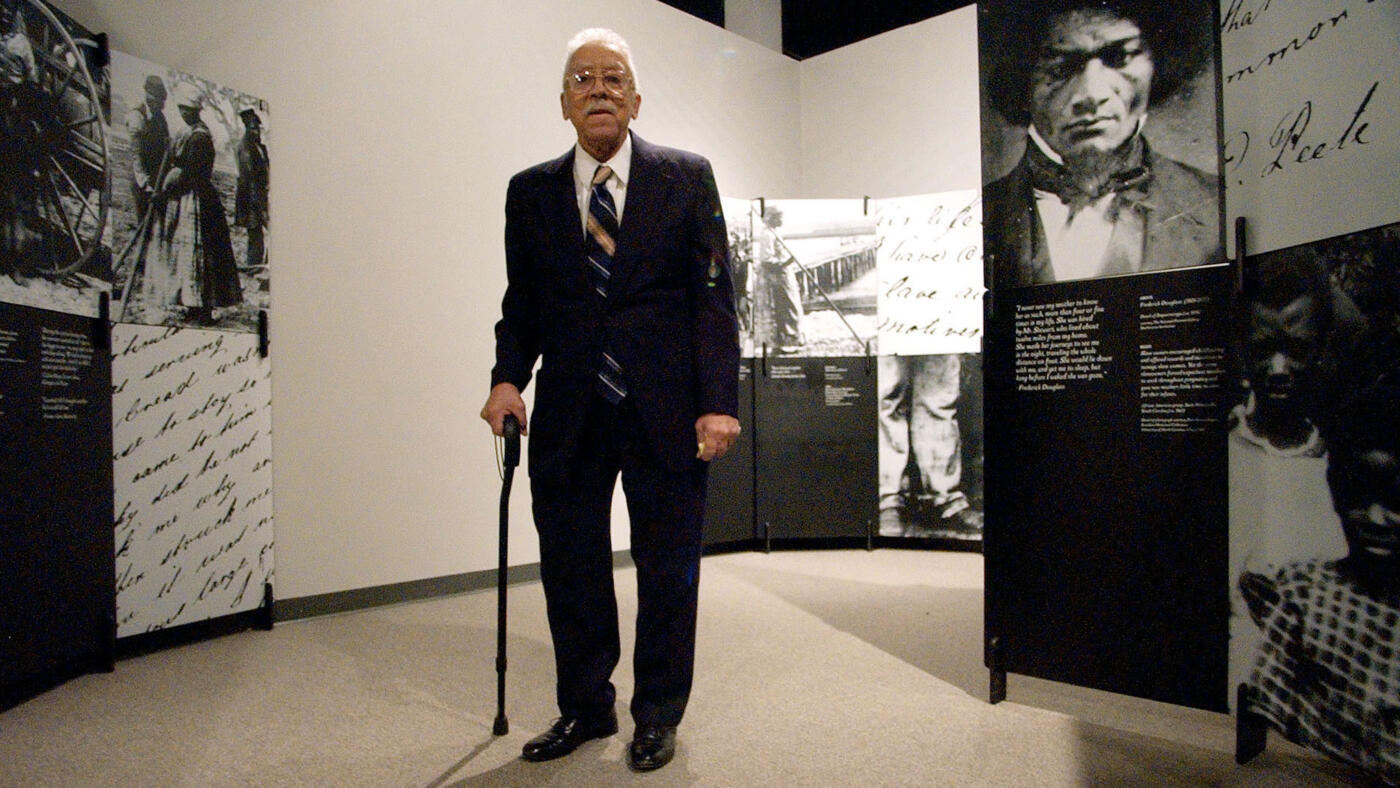
As Wells observed, white communities frequently justified lynchings by claiming to protect and avenge their women. The myth of “savage” Black men raping white women, popularized in the 1915 film Birth of a Nation, continued well into the 20th century, epitomized by cases such as that of the falsely accused Scottsboro Boys. However, it was the 1930 rape allegations against Thomas Shipp, Abram Smith and James Cameron that resulted in one of the nation’s most gruesome images of mob lynching—which, in turn, inspired an iconic anti-lynching anthem, indelibly memorialized by jazz singer Billie Holiday.
The three Black teenagers had been friends in the small town of Marion, Indiana. On the night of August 6, after an afternoon playing horseshoes, Shipp, 19, and Smith, 18, told 16-year-old Cameron they’d decided to “stick up” an unsuspecting white couple at a local lover’s lane. But the robbery went wrong. According to Cameron’s memoir A Time of Terror: A Survivor's Story, he recognized the man, Claude Deeter, as a customer of his shoeshine stand and fled the scene, hearing shots as he ran. With Deeter dead and his companion Mary Ball claiming she was raped by all three teenagers, the teens were arrested—but there would be no trial.
Wielding sledge hammers, bats and crowbars, vigilantes overtook the jail and, one by one, dragged the young men outside, where an estimated 10,000 to 15,000 people had rallied. As Cameron watched from his cell, Smith was beaten to death before his body was strung from a tree. Shipp attempted to free himself from his noose, but had his arms broken before being hoisted back into the air. When it was his turn, Cameron—with the noose already around his neck—was improbably saved by a voice in the crowd proclaiming his innocence. He returned to jail and was ultimately convicted, serving four years. Mary Ball later recanted her rape accusation.
Local photographer Lawrence Beitler captured the brutal scene: Shipp and Smith’s bloodied, disfigured bodies hanging above a densely packed crowd—some smiling, one posing and pointing. Demand for the image ran high, and Beitler printed thousands of copies, selling the macabre mementos for 50 cents each.
After circulating for years, the graphic “postcard” reached Bronx high school educator Abel Meerpol, who was moved to write the 1937 poem that would eventually become “Strange Fruit.”
‘Southern trees bear a strange fruit
Blood on the leaves and blood at the root
Black body swinging in the Southern breeze
Strange fruit hanging from the poplar trees.’
// A verse from ‘Strange Fruit’
Billie Holiday recorded the song as a tribute to her father who died of a lung disorder, denied proper medical care because of his race. Her insistence on singing the tune at nightclubs left patrons uncomfortable and stunned—and helped tank her career. Still, it became an enduring anti-lynching anthem. As for Cameron, he was forever changed after the trauma of his attempted lynching, becoming a passionate civil rights advocate and going on to found the American Black Holocaust Museum. He was officially pardoned in 1993.
Harry and Harriette Moore
December 25, 1951 / Mims, FloridaAlthough less well known than some civil rights figures, Harry Moore pursued the cause of racial equality with a dedication that eventually cost him his job and his life. Moore and his wife Harriette, both teachers in all-Black schools in Mims, Florida, were committed to the improvement of Black lives before becoming actively involved with the NAACP in 1934, when he founded the Brevard County chapter. As his activist passions grew, he filed a lawsuit for equal pay among white and Black teachers in 1937 and took on the issue of lynchings in Florida in 1943. (At the time, the state had the highest per-capita lynching rate.)
But his activism came at a price. In 1946, Harry’s involvement with the NAACP caused the couple to lose their teaching positions. In turn, he became a full-time paid organizer. As his association and work with the civil rights group intensified, so did the risk—especially after he became involved with the infamous 1949 Groveland rape case. After four young Black men were accused of raping a white woman, three were severely beaten while in police custody and the other was shot more than 400 times after escaping. Conviction by an all-white jury followed, and Harry campaigned to appeal their case and have Sheriff Willis McCall held responsible for their torture. A long legal battle resulted in the Supreme Court overturning the young men’s convictions but ended with McCall shooting two of the defendants while escorting them to their new trial—killing one and critically injuring the other. Harry, infuriated, called for McCall’s suspension and indictment.
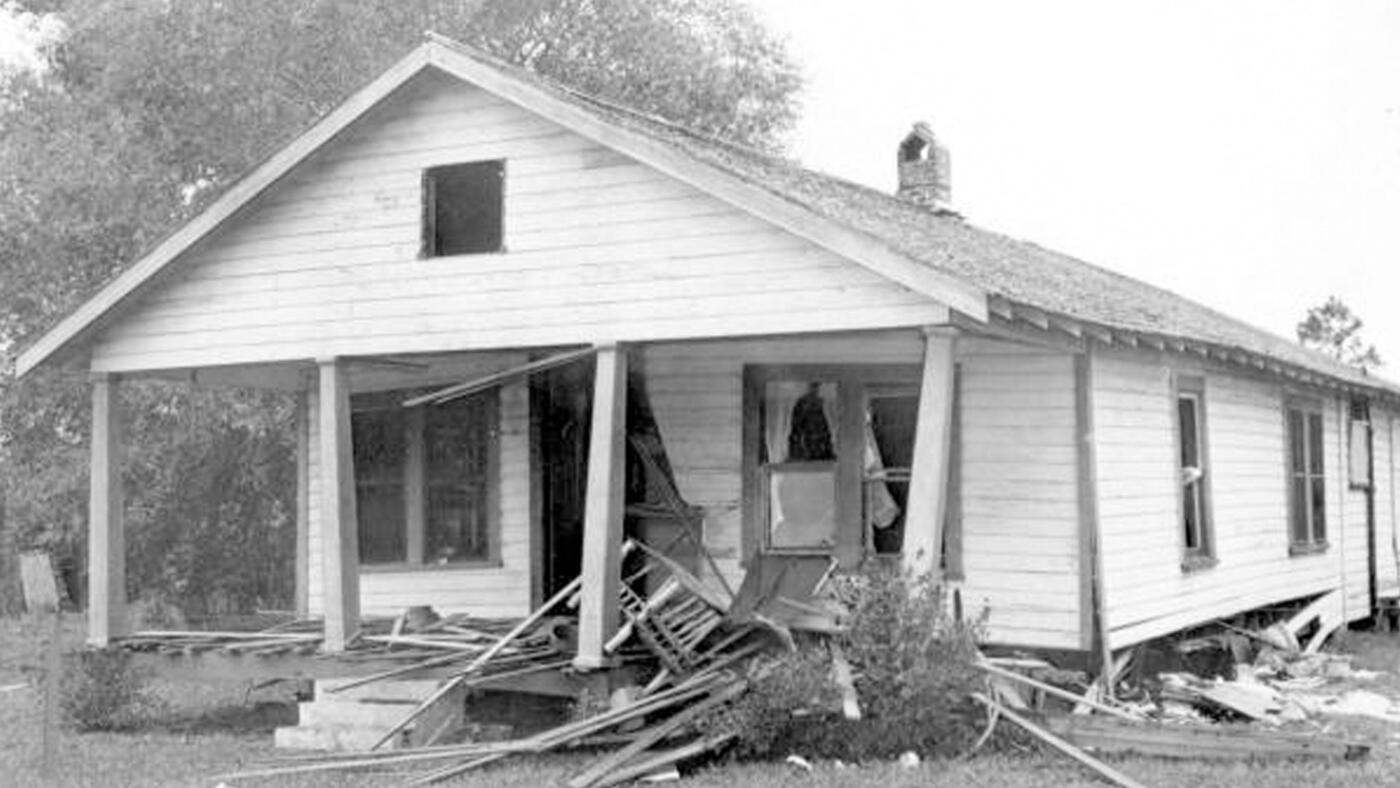
Six weeks later, on Christmas night 1951, the couple’s 25th wedding anniversary, a bomb exploded beneath their bed. Harry died before reaching the hospital, and Harriette died nine days later.
‘It seems that I hear Harry Moore.
From the earth his voice cries,
No bomb can kill the dreams I hold—
For freedom never dies!’
// A verse from ‘Ballad of Harry Moore,’ by Langston Hughes
The Moores’ murder, unsolved to this day, became known as one of the first lynchings of the civil rights movement. News of the assassination spread swiftly, shocking and invigorating the country. Baseball legend Jackie Robinson, soon-to-be Supreme Court Justice Thurgood Marshall and even First Lady Eleanor Roosevelt all spoke out against the targeted attack. Famed writer Langston Hughes honored and grieved the activist’s life with his poem “Ballad of Harry T. Moore.” Hundreds attended the activist’s funeral, and President Harry S. Truman was flooded with telegrams and letters protesting the assassination. Although the Moores’ murder eventually faded into the sea of lynchings in American history, it garnered great attention at the time and raised wider awareness of the burgeoning civil rights struggle.
Trayvon Martin
February 26, 2012 / Sanford, FloridaNearly 60 years after Emmett Till’s lynching, the killing of another Black teen—Trayvon Martin—shook the nation and incited a movement. But before the 17-year-old became an involuntary martyr, he was a high school student who loved video games and math class, looked forward to his junior prom and aspired to work with planes—even attending aviation school. But like so many Black people before him, his life was cut short, swiftly and unexpectedly, for no reason.
On the night he was killed, Martin was visiting his father in Sanford, Florida, during a 10-day high school suspension. Within the gated community, a series of recent break-ins prompted George Zimmerman—member of the neighborhood watch—to follow the teen as he walked home from a convenience store, even though law enforcement told him not to pursue. Martin, on the phone with his girlfriend, expressed concern about being tailed and began to run. What followed was a clash between the two, which left the unarmed teen dead from a gunshot to the chest, less than 100 yards from his front door.
Of the many parallels drawn between Martin and Till’s deaths, one of the most potent was the involvement of their grief-stricken, determined parents. Unsatisfied with the police investigation into the death of their son after watching Zimmerman walk free, claiming self-defense, Tracy Martin and Sybrina Fulton took their fight straight to the people. Their Change.org petition calling for Zimmerman’s prosecution garnered more than 2 million signatures, becoming the fastest growing campaign in the site’s history. Shortly after, the hashtag #Trayvon began trending on Twitter, and then-President Barack Obama spoke out about the killing.
‘When Trayvon Martin was first shot, I said that this could have been my son... I think it’s important to recognize that the African American community is looking at this issue through a set of experiences and a history that doesn’t go away.’ // 2013 comments by former President Barack Obama
Martin’s killing represented an outrage that Black Americans had seen and experienced firsthand much too often—typically with no justice. However, amidst growing public outcry, Zimmerman was charged with second-degree murder on April 11. His July 2013 exoneration, based largely on Florida’s controversial “stand-your-ground” law, sparked protests nationwide, igniting a renewed fight for racial justice.
In the same month Zimmerman went free, the hashtag #BlackLivesMatter was born. The phrase would become a rallying cry for justice when Black Americans are killed. And it would come to define a fiercely committed new generation of civil rights activism aimed at ending a legacy of hate, violence and callous disregard for human life.

Note: GRAPHIC CONTENT FOLLOWS -
PLEASE CLOSE THIS PROGRAM AT THIS POINT IF YOU FIND GRAPHIC CONTENT PERSONALLY DISTURBING

Better Safe Than Sorry: How to Run a Security Checkup on Your Google Account
Concerned about the wrong person grabbing unauthorized access to your Google account? You can run a security check to make sure it's as safe and secure as possible.
Like a lot of people, your online life is probably heavily tied to Google, from search and Gmail to Google Calendar and YouTube. Your PC, phone, and tablet may connect to your Google account. You might even own an Android phone that requires access to Google sites and services.
As a Google user, how can you keep all the information from your account in check so no one else can access it? Google offers a helpful Security Checkup tool that displays your security settings and connected devices so that you can review them and make any necessary changes.
How to Run a Google Security Check

Open the Google security page(Opens in a new window) in your browser and sign in with your Google account. Before you do anything, Google will immediately detect any potential security issues. If you see the words You have security recommendations, select the Protect your account link to see what you can fix.
If no issues are found but Google still has some tips to better secure your account, the page says You have security tips. In that scenario, click the Review security tips link. In the event there are no issues or tips to improve, the page will say Your account is protected, and you can click the See details link if you want to review the settings anyway.

Google breaks down the possible security issues into categories based on how you use your account and which issues are discovered. Potential categories include: Your devices, Sign-in & recovery, Recent security activity, Third-party access, Safe browsing, and Your saved passwords.

A yellow or blue exclamation point next to a category indicates one or more possible issues, while a green checkmark is a sign of a clean bill of health. However, you should still review all the categories. Let's look at how you can secure your Google account within each category.
Remove Unknown or Old Devices

Select the category called Your devices to see all the devices currently signed into your account as well as those that have previously had access but may not have been used in a long time. These devices can be a Windows PC, Mac, iPhone, iPad, Android phone, or smart TV. Click the Remove button to remove a device you no longer use or don't recognize
You can also click the Where you're signed in drop-down to see every device to which your account is connected. Click a specific device to see more information. If you're unfamiliar with that device, click Sign out or Don't recognize something? > Sign out on device.

You can then change the password if you wish, though you will have to update all of your devices with the new login information. As inconvenient as this may sound, you may want to take this option if you think that a device or password has fallen into the wrong hands.
View Recent Account Activity

Select Recent security activity on the Security Checkup page to see recorded events, such as sign-ins with your Google Account on specific devices and changed passwords. Review each event; if any activity seems suspicious to you, click the See unfamiliar activity? button.

You will then be prompted to change your password. If you take this action, keep in mind that you will need to sign back into all other devices on which you use your Google account.
Update Account Recovery Methods

Choose the Sign-in & recovery category on the Security Checkup page to review your account recovery methods. These are ways you can gain access to your account if you are ever locked out. It may also show you all the trusted mobile devices you can use to verify your identity.
Some of the recovery information Google may suggest updating includes a recovery email, your phone number, security questions, and trusted mobile devices. If you already have a working email or phone number, click Yes, Confirm to keep things as they are. Otherwise, click No, Update and re-enter your password to change it.

If you see any mobile devices you want to remove or security questions to update, select the Info icon for the entry. Click the link in the window that opens to go where you can make changes.
Control Third-Party Access

Click the Third-party access category on the Security Checkup page to see what services have access to your Google account. To view more details about an entry here, click the Info icon. Otherwise, click Remove access to disable all Google services for that app.
Enable Safe Browsing

Google will suggest turning on Safe Browsing if you click the Safe Browsing category on the Security Checkup page. This offers enhanced protection against malicious websites, suspicious downloads, phishing emails, and dangerous extensions that may try to steal information or infect your device. If you wish to enable Safe Browsing, click Continue, then Turn on.
Check Your Saved Passwords

You can check any passwords for websites or services saved under your Google account if you select the Saved passwords category and then click Go to Password Checkup. At the next page, click the Check Passwords button and enter your Google account password.

Google will reveal which account passwords were compromised in a data breach, which have been reused, and which are deemed too weak. Unfurl any category, then click Change password to open the website and update your password.
You can also click the three-dot icon for an entry to view additional options. Click View password to see your current password in plain text. Choose Update saved password to change the password in Google's database. You can also pick Delete password to remove the password from Google's records (without deleting the account in question).
Enable More Security Features

Once you make your way through the Security Checkup, the page should tell you that there are no more recommended actions and every category should have a green checkmark. However, even with the clean bill of health, there's more you can do to take protective measures.
Return to the Google's main Security page(Opens in a new window), and you will see additional options you may want to review and enable: set up two-step verification, enable Google's Passkeys feature, find a lost device, manage which sites and services use Sign in with Google for login purposes, and more.
You are not authorised to post comments.